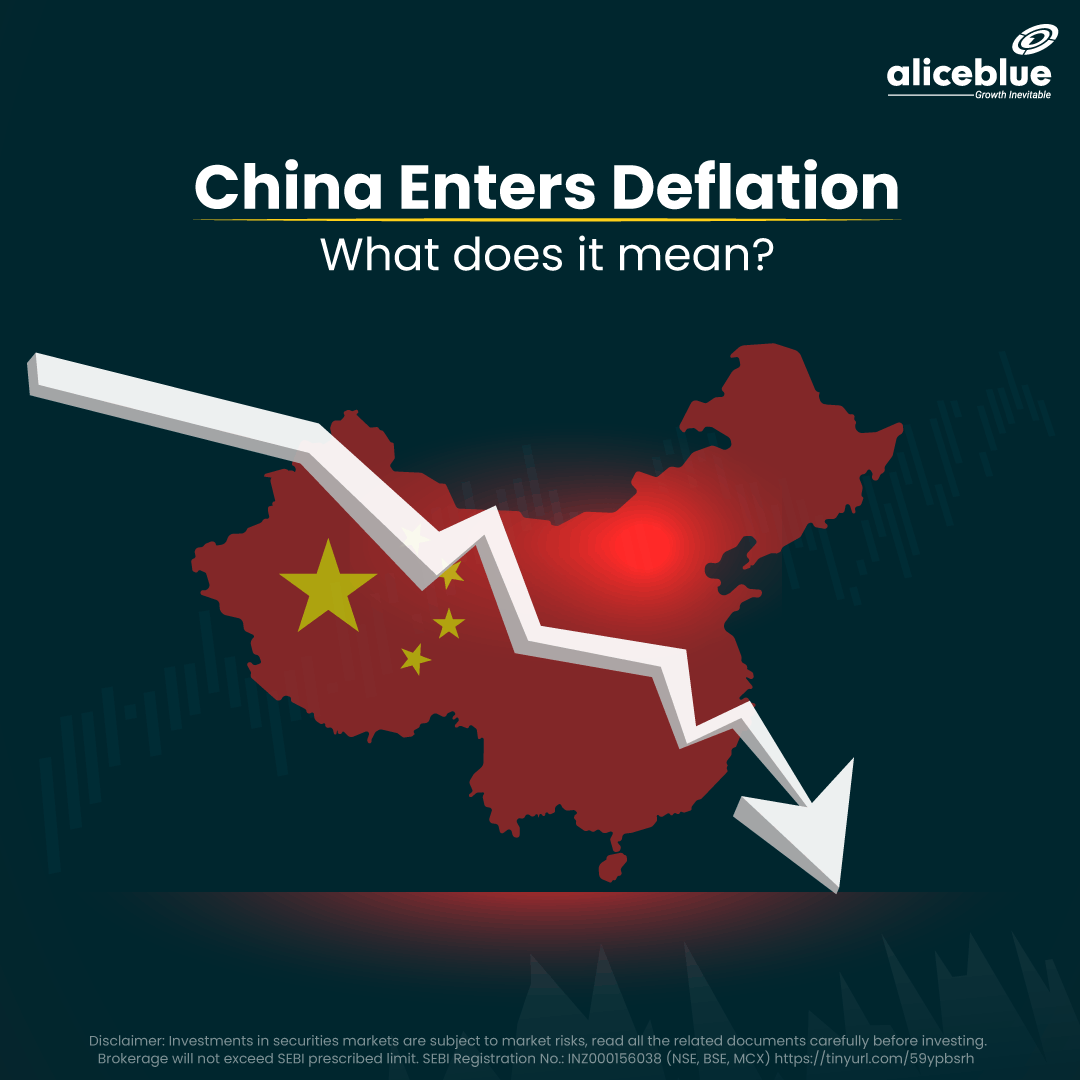
Chinese economy slipped into deflation in July after consumer prices fell for the first time in more than two years in July, and producer prices contracted for the 10th consecutive month.
This drop in the Consumer Price Index (CPI) by 0.3% from the previous year is the first of its kind in more than two years, with the last being in February 2021.
Alongside, the Producer Price Index (PPI) registered a drop of 4.4% for the tenth month in a row, slightly more than what was initially projected at 4.1%.
Deflation is when the overall prices of goods and services drop, which might initially seem advantageous for consumers. However, the longer-term implications are more intricate.
Imagine if everyone thought prices would keep falling. They’d probably wait to buy things, hoping for an even better deal later. This thinking can lead to less demand for products.
When businesses see this drop in demand, they might cut down on production, earn less, and possibly let go of some of their employees. This scenario can spiral into a less vibrant economy with more people holding onto their money.
This can create economic contraction, job losses, and financial instability.
That’s one of the reasons why many of the world’s central banks aim for a steady level of inflation, often targeting a specific inflation rate.
Having prices increase moderately can keep the economy active and growing, encouraging people to buy and invest.